Immortal Romance and the Idea of Eternal Love in Cultural Narratives
The theme of Immortal Romance has occupied a stable place in cultural narratives for centuries. Stories about love that transcends time, death, and physical limits reflect deep human concerns about memory, identity, and emotional continuity. From ancient myths to modern popular culture, the idea of eternal affection serves not as escapism, but as a way to explore moral choices, sacrifice, and the cost of immortality.
Origins of Immortal Romance in Myth and Legend
Early civilisations used myths to explain concepts that lay beyond human control, and eternal love became one of the most powerful narrative tools. In many cultures, immortality was never portrayed as a simple reward. Instead, it was tied to loss, separation, or the burden of witnessing the passing of generations.
Greek mythology offers examples where love and immortality coexist uneasily. Figures such as Eos and Tithonus demonstrate how eternal life without eternal youth leads to suffering rather than fulfilment. These stories suggest that immortality challenges natural emotional bonds instead of preserving them.
Similar ideas appear in Celtic and Norse traditions, where lovers are often divided by fate, curses, or divine intervention. Eternal love in these narratives is not static; it evolves through trials, reinforcing the idea that love gains meaning through struggle.
Immortality as a Moral Test
In mythological storytelling, immortality often functions as a moral experiment. Characters are forced to confront the consequences of their desires when granted endless existence. Love becomes a measure of ethical strength rather than a romantic reward.
Many legends present immortality as conditional, dependent on loyalty, patience, or self-denial. These conditions reinforce social values and underline the belief that eternal love must be earned through consistent moral behaviour.
This narrative approach allowed ancient societies to discuss complex philosophical questions in accessible forms, embedding ethical lessons into emotionally charged stories.
Immortal Romance in Literature and Gothic Tradition
Literature expanded the theme of Immortal Romance by focusing on psychological depth. Gothic novels of the eighteenth and nineteenth centuries reframed immortality as isolation rather than privilege, often pairing it with obsessive or tragic love.
Characters such as vampires or cursed aristocrats represent fear of emotional stagnation. Their inability to age contrasts sharply with their longing for connection, highlighting the imbalance between physical permanence and emotional vulnerability.
These literary works reflected social anxieties of their time, including fear of moral decay, loss of faith, and the tension between desire and restraint.
Love as a Source of Identity
In Gothic and Romantic literature, immortal characters often define themselves through their relationships rather than their endless lifespan. Love becomes the anchor that connects them to humanity.
Without emotional bonds, immortality is portrayed as empty repetition. Authors used this contrast to argue that human identity is shaped by emotional risk and finite experience.
This literary framing continues to influence contemporary narratives, reinforcing the idea that love, not longevity, gives life coherence.
Modern Interpretations of Immortal Romance
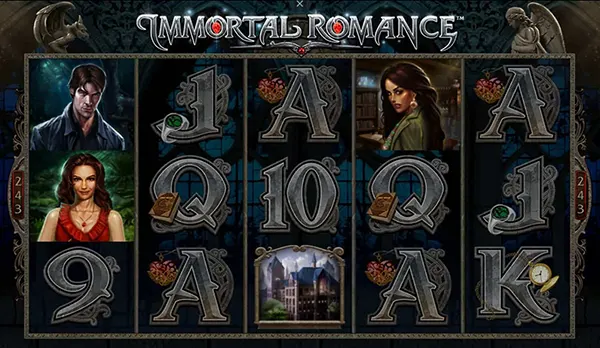
Contemporary culture revisits Immortal Romance through films, novels, and digital storytelling. Modern interpretations focus less on divine punishment and more on emotional responsibility and consent.
Immortal characters are frequently placed in ethical dilemmas involving power imbalance, memory, and loss. These stories reflect modern values, questioning whether eternal life justifies emotional interference in mortal lives.
The popularity of these narratives shows a continued interest in the limits of love when faced with time, change, and moral accountability.
Why Immortal Romance Remains Relevant
The enduring appeal of Immortal Romance lies in its flexibility. It adapts to cultural shifts while preserving its core questions about attachment and loss.
In a world shaped by rapid technological change and extended lifespans, these narratives mirror real concerns about emotional permanence and legacy.
Rather than offering idealised love stories, modern Immortal Romance narratives function as reflections on responsibility, empathy, and the cost of emotional endurance.